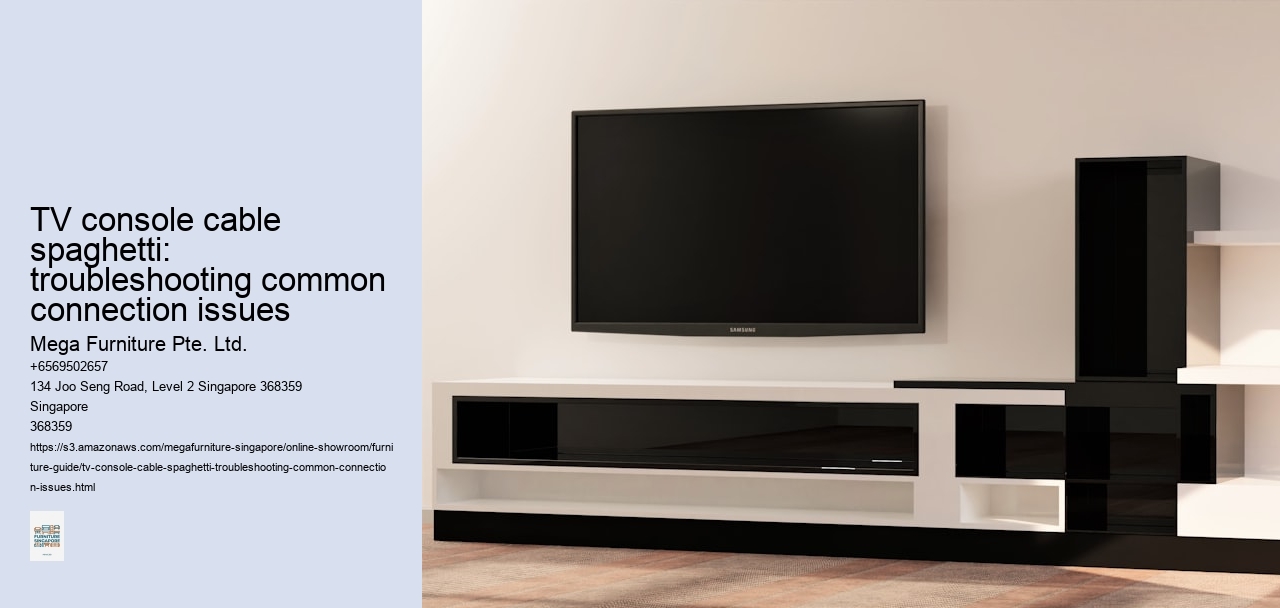
A solid wood TV console in a ground-floor landed property can quietly warp over a single monsoon season, its doors refusing to close properly. That’s the silent, expensive lesson Singapore’s 80% humidity teaches. Engineered wood with a quality laminate top is the pragmatic choice here; it’s manufactured to resist moisture expansion and won’t demand you run a dehumidifier in your living room 24/7 just to keep its form. Veneers, while attractive, are a particular risk—they’re prone to peeling at the edges in our climate, leaving a console looking tired and damaged long before its time.
Pets and young children add another layer of practical consideration. A cat’s favourite scratching post is often the corner of a new cabinet, so a scratch-resistant finish isn’t a luxury—it’s essential for maintaining the piece’s appearance. For families with toddlers, the difference between a sharp, 90-degree corner and a softly rounded one is measured in forehead bruises; that small design detail becomes a major safety feature in a busy living room.
Termites are a less frequent but far more destructive concern for those in landed homes. Opting for a console with metal legs eliminates that specific worry entirely, creating a physical barrier between the wooden body and the floor where pests might travel. It’s a clean, modern look that sidesteps a potential nightmare.
Ultimately, the best TV console for a Singapore home accepts the local context. It’s a piece that looks good while quietly enduring constant moisture, the occasional claw, and the chaos of family life—all without becoming a maintenance project itself. You can find consoles built with these realities in mind, like those in Megafurniture’s collection, which prioritise these resilient material specifications. The right choice means you’re thinking about your TV and movies, not the furniture holding them up.
That sleek 240cm console you bought from a Eunos showroom can still look chaotic if cables spill over its back. The solution is built-in cable management, specifically integrated rear channels and grommets designed for five or more devices. These pre-cut pathways, often lined with soft rubber to prevent snagging, let you thread thick HDMI and power cords from your media player, soundbar, and game console directly into the cabinet's interior. It’s a clean system that turns a potential eyesore into a single, neat bundle. Without it, you’re left trying to force a fistful of cables through a single hole never meant for them.
Once cables are inside the console, the instinct is to cinch them tight with plastic zip ties. That’s a mistake for any setup you’ll ever upgrade. Velcro straps are the professional choice, allowing you to bundle cords neatly while leaving them easy to adjust when you swap out an AV receiver or add a new streaming box. They don’t cut into sheathing over time, and a roll costs about $5 at any neighbourhood hardware store. You’ll thank yourself the next time you need to fish out just one specific cable without cutting everything free.
Hiding the fibre terminal and wireless router often creates a conflict—you need to tuck them away, but not inside a metal cabinet that kills the Wi-Fi signal. The workaround is to place the router on an open shelf or behind the console’s side panel, then run the LAN cable discreetly along the back channel. This keeps the unit accessible for resets and maintains a decent signal throughout your four-room BTO flat, while the single blue cable is the only visible trace. It’s a practical compromise that beats sacrificing either aesthetics or connectivity.
Pulling every cable taut seems tidy, but it’s a short-term fix that causes long-term frustration. You must leave deliberate slack, especially for PlayStation VR setups or any device with sensors that need repositioning on your TV. Coil the excess into a loose figure-eight, secure it with a velcro strap, and tuck it behind the console near the device. This gives you the flexibility to pull the headset out a full metre without yanking on connections or towing your entire entertainment centre forward.
The real goal isn't just organisation; it's making the technology disappear so your living room centrepiece can be the console itself. A well-executed cable plan means you see the sintered stone finish or the oak veneer, not a nest of black wires. In many homes, the media console is a focal point against a feature wall, and its visual calm directly affects the room's mood. Getting this right is what separates a temporary setup from a considered, permanent part of your home’s design.
The clean lines of a full-height media wall, a favourite for new BTO living rooms, often hide a buyer’s first misstep. They prioritise a flawless aesthetic—like glossy glass cabinet doors—without considering the maintenance reality in a neighbourhood like Tampines, where construction dust is a constant. That sleek surface shows every fingerprint and requires near-daily wiping, a chore that quickly sours the initial appeal.
Another common oversight is treating the media console as a mere furniture piece, not the central hub for a dozen low-voltage devices. Buyers forget the bulk of a quality power strip, which won't fit behind a shallow, wall-mounted unit; they’re then left with a single 13A socket and a dangerous daisy-chain of adaptors snaking out the back. Planning for at least two dedicated sockets, or a console with a deep cable compartment, solves this from the start.
Sightlines are another casualty. A console height of 60cm might look balanced in a showroom, but paired with a low-seated sectional sofa common in condo units, it can place the centre of a 65-inch TV awkwardly above eye level. The resulting neck strain defeats the purpose of a dedicated media zone. It’s worth sitting on your own sofa cushion height and measuring the ideal sightline before committing to a console.
Finally, the internal architecture gets overlooked. A buyer might secure the perfect spot for a 75-inch display, then realise the accompanying soundbar blocks the bottom edge of the screen when placed on the console. Similarly, allocating space for an Xbox Series X means planning for its substantial vertical clearance—it won’t simply slot into any shelf. Function dictates form here: itemise every component, from game consoles to Wi-Fi routers, and map their dimensions against the cabinet’s internal layout before you finalise the design.
The difference between a laminate edge that feels like solid wood and one that chips after six months is often invisible in a product photo. It’s in the tightness of the seam, the smoothness of the radius on a rounded corner. At Megafurniture’s Joo Seng showroom, you can run a finger along those edges on their Hartford TV console display — you’ll feel the crisp, sealed finish or spot the potential for future wear. This tactile check matters because the constant sliding of game controllers and storage boxes across that top surface will find any weakness a picture won't show. Drawer glides offer another test. A smooth, silent close under the weight of a media player and assorted remotes indicates a better build; a wobble or a gritty slide suggests a shortcut. In a live room, you're not just opening an empty drawer — you're judging whether it'll still operate smoothly when filled with charging cables and console accessories. The showroom lets you apply that realistic pressure, something you can't do from a shopping cart page. Cable management is another feature that demands a hands-on assessment. Product descriptions promise "integrated channels" and "rear cut-outs," but the real question is whether those gaps actually align with your specific power strip's plug orientation. At the Joo Seng location, you can visually trace the intended cable path on a Hartford unit, gauging if there's enough clearance for a bulky international plug or a tangle of HDMI cords. It’s the difference between a clean install and a frustrating compromise where cables still spill out the sides. Showroom lighting is deliberately flattering, but it also serves a practical purpose. It lets you scrutinise a finish — whether it's a walnut veneer or a matte grey laminate — under a bright, consistent source. You can then walk to the window and see how that same colour shifts under the cooler, diffused light typical of an HDB corridor or a north-facing condo living room. That side-by-side comparison in one trip can prevent a costly mismatch, where a piece that looked warm and rich under spotlights turns dull and flat in your home. Ultimately, visiting is about verifying the details that turn a generic piece into a functional centrepiece for your media wall. You're not just looking at furniture; you're stress-testing it for Singaporean living. For those ready to move from browsing to buying, the full range of solutions is available to
explore online, with the showroom serving as the crucial final checkpoint.
That moment of dread in a BTO lift lobby isn't about the furniture itself, but the box it arrives in. Delivery teams are familiar with Singapore's flat designs, but a prudent buyer will still confirm their block's lift landing dimensions, particularly the stairwell access width, before a long console arrives. A typical 180cm unit flat-packed can be a tight squeeze in some older HDB point blocks; it’s a simple call to the town council or building management that saves a costly rescheduling fee.
Assembly is generally a two-person job, especially for wall-mounted or floating designs that require precise levelling. Most retailers, including Megafurniture, offer professional assembly for a fee, which many homeowners in condos with marble floors or those simply short on time consider money well spent. Check if the necessary wall-mounting brackets are included in the purchase—some budget-friendly online imports list them as separate accessories, an oversight that leaves you scrambling for hardware store runs before you can even start.
The standard warranty offered is 12 months, covering structural defects like joint failures or major veneer peeling. It rarely extends to what actually goes wrong in our climate: humidity-induced warping in solid wood pieces, or minor scratches and finish changes from daily use. That consistent warping on a rubberwood console door in a north-facing, rain-exposed living room in Woodlands? You’ll likely be told it’s an environmental issue, not a manufacturing one.
Consider the warranty your baseline protection against a complete failure, not a maintenance plan. For the long term, your console’s health depends more on your own habits—keeping it away from direct afternoon sun through those full-length BTO windows, and using a dehumidifier during the relentless monsoon months.
A surprising number of Google searches from Singaporean homeowners start with a simple, practical question: will a TV console actually hold my stuff? The anxiety is real when you're staring at a new 55-inch OLED and a PlayStation 5, wondering if the sleek, two-metre unit you've bookmarked has the real-world capacity.
Can a TV console hold a 55-inch TV and a PS5? Yes, but you need to mind the proportions. A 55-inch TV typically requires a console length around 180 centimetres for a balanced look and stable support; anything shorter risks the TV overhanging the edges, which feels precarious in a compact living room. That 180cm span also provides the necessary real estate for the PS5—which is deceptively large—alongside a soundbar and perhaps a set-top box, without everything feeling crammed together.
What's the best colour for a console against a marble feature wall? It depends on the effect you want. For a seamless, integrated look that lets the marble veining be the star, a matt white console is a safe and sophisticated choice. If you're aiming for warmth and contrast against cool grey marble, an oak finish—whether light or smoked—adds organic texture that breaks up the stone's formality. The real mistake is matching a busy marble with a console that has its own loud grain pattern; the wall and the furniture end up competing.
How do you hide cables without drilling into HDB walls? Drilling into structural walls is a common HDB no-go, but that doesn't mean you're sentenced to cable spaghetti. The most effective solution uses the console's own architecture: opt for designs with a combination of closed cabinets and open shelving, then place cable management boxes—those simple, lidded plastic or fabric bins—on the open shelves. You coil all the excess wiring inside, feed only the necessary cables out the back through pre-cut grommets, and the boxes themselves become discreet storage objects rather than eyesores. It's a renter-friendly fix that works just as well for condo owners who don't want to mar their feature walls.
For those starting their search, focusing on these three practicalities—confirmed dimensions, finish coordination, and built-in cable solutions—narrows the field quickly. You can browse a range of options that address these specifics in Megafurniture's TV console collection, where lengths and storage configurations are clearly listed to match your gear.
A 210cm console looks perfect in a showroom, but it’s a different story when it arrives at your Tampines condo and blocks the air-con ledge access panel. That last-minute tape measure check is your final defence against delivery day frustrations.
Start with the wall. Measure its actual length, then deduct at least 10cm for curtain rails or blinds—that hidden bulk eats into your intended space. For a floating console, confirm the wall is load-bearing or that you’ve located the studs; a solid brick feature wall in a resale flat is ideal, but plasterboard in newer BTOs often needs reinforcement. Next, measure the depth of your intended TV stand against the top of the console itself. A 55-inch TV’s stand can easily project 25cm backwards, which means it’ll overhang a slim 30cm-deep unit and look precarious.
Doorframe width is a critical, often forgotten, step. Pre-assembled delivery for larger consoles, common for units over 180cm, requires a clear path. Standard HDB doorframes are around 80cm wide, but that narrows once you account for the door hinge and handle; measure the tightest corner, typically the main door or the lift lobby entrance to your unit. If the console won’t fit, you’ll need to confirm the supplier offers flat-pack assembly on-site—a service worth its weight in gold for fifth-floor walk-ups in older estates.
Finally, locate your power point. It’s not just about plugging in; it’s about cable routing. If the socket is directly behind where the console will sit, you’re golden. If it’s off to one side, you’ll need to plan for a longer power strip and a clean cable run, perhaps using a grommet hole in the cabinet’s back panel. A little forethought here prevents a visible cable snaking across your feature wall to the nearest outlet.
Consider the console’s cable management features at this stage too. A unit with multiple, well-placed grommets and a deep rear channel will handle a gaming console, soundbar, and fibre TV box neatly, keeping that spaghetti out of sight. You can browse console options with these practical details in mind at Megafurniture’s collection.
The typical BTO living room wall stretches between 180 and 240 centimetres - that's your canvas. A console shorter than 180cm looks dwarfed and leaves awkward gaps for dust to collect, while anything pushing past 240cm risks cramping the space, especially in narrower 4-room layouts. Your TV's base is the real anchor; a 40-inch screen needs at least 120cm of support, but a 75-inch behemoth demands a solid 200cm or more to feel grounded. The goal is a clean, proportional fit where the console's ends align with the wall's natural boundaries, creating a built-in look without the renovation cost.
Floating consoles are a quiet revolution for compact spaces. In a 12 sqm HDB master bedroom or a condo's media nook, lifting the unit off the floor tricks the eye into seeing more square footage. You'll gain visible floor area for a laundry basket or a yoga mat, and the shadow gap underneath adds a layer of visual lightness that bulky floor-standing models can't match. Just ensure the wall mounting is done properly on your HDB's concrete - nobody wants a midnight crash.
Depth is the forgotten dimension, especially in resale flats with serpentine corridors. A TV console anchors the wall opposite the sofa in the same way a tall bookshelf anchors a corner — long horizontal piece, mix of open and closed storage, defines the visual weight of one whole side of the room. Megafurniture's TV Console range covers floating wall-mounted designs, low-profile freestanding consoles, and modular feature-wall configurations. Most pieces sit at 40-50cm height, sized for screens up to 75 inches.. A unit over 45cm deep becomes a shin-bashing obstacle in passages already narrowed by built-in shoe cabinets. Aim for a slimmer profile, around 35-40cm, which is ample for an AV receiver and a few game consoles while keeping walkways clear. That extra five centimetres might seem trivial on a showroom floor, but in a narrow hallway, it's the difference between a smooth flow and a daily annoyance.
Material choice follows from these size constraints. A long, low console in laminate or oak veneer offers stability without visual weight, while sintered stone tops on floating designs handle condensation from air-conditioning units better than some solid woods. It's about finding a piece that fits the physical footprint first - the aesthetic statement comes second. You can browse a range of sizes and mounting options to see what aligns with your wall.
The typical BTO living room wall stretches between 180 and 240 centimetres — that’s your canvas. A console shorter than 180cm looks dwarfed and leaves awkward gaps for dust to collect, while anything pushing past 240cm risks cramping the space, especially in narrower 4-room layouts. Your TV’s base is the real anchor; a 40-inch screen needs at least 120cm of support, but a 75-inch behemoth demands a solid 200cm or more to feel grounded. The goal is a clean, proportional fit where the console’s ends align with the wall’s natural boundaries, creating a built-in look without the renovation cost.
Floating consoles are a quiet revolution for compact spaces. In a 12 sqm HDB master bedroom or a condo’s media nook, lifting the unit off the floor tricks the eye into seeing more square footage. You’ll gain visible floor area for a laundry basket or a yoga mat, and the shadow gap underneath adds a layer of visual lightness that bulky floor-standing models can’t match. Just ensure the wall mounting is done properly on your HDB’s concrete — nobody wants a midnight crash.
Depth is the forgotten dimension, especially in resale flats with serpentine corridors. A unit over 45cm deep becomes a shin-bashing obstacle in passages already narrowed by built-in shoe cabinets. Aim for a slimmer profile, around 35-40cm, which is ample for an AV receiver and a few game consoles while keeping walkways clear. That extra five centimetres might seem trivial on a showroom floor, but in a narrow hallway, it’s the difference between a smooth flow and a daily annoyance.
Material choice follows from these size constraints. A long, low console in laminate or oak veneer offers stability without visual weight, while sintered stone tops on floating designs handle condensation from air-conditioning units better than some solid woods. It’s about finding a piece that fits the physical footprint first — the aesthetic statement comes second. You can browse a range of sizes and mounting options to see what aligns with your wall.